Published 5 November 2026. Sources last checked 5 November 2026.
If you share a wall with a neighbour, or plan to dig close to their house, the Party Wall etc. Act 1996 is likely to apply. It is separate from planning permission and building regulations, and you can need it even when the other two are in order. Here is a plain summary based on the government’s guidance.
What work does it cover?
The Act covers three main kinds of work:
- New building on or at the boundary between two properties
- Work to an existing party wall or party structure, such as cutting into it, making it taller, shorter or deeper, removing chimney breasts or rebuilding it
- Excavation near a neighbouring building, and below the level of its foundations
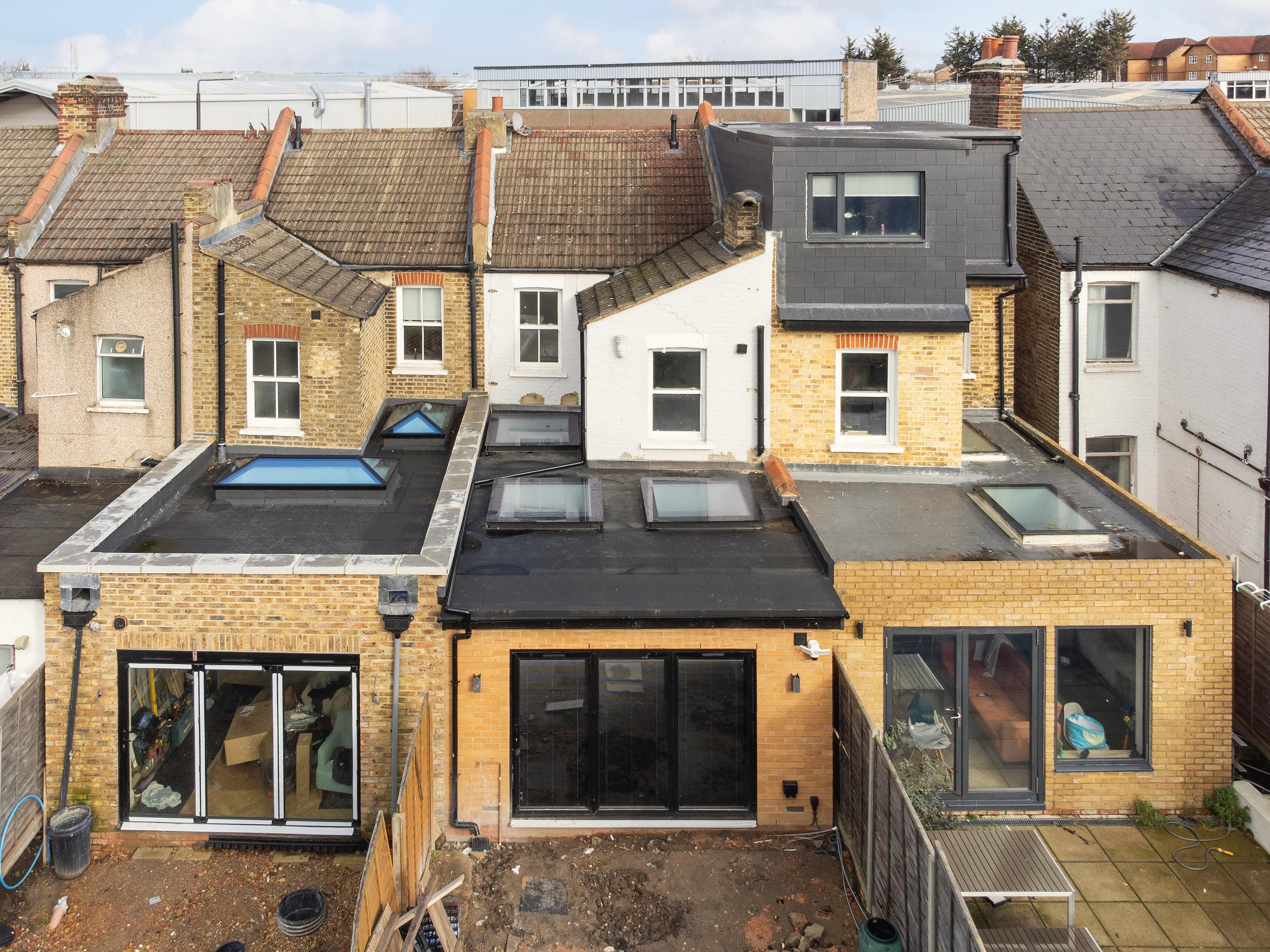
So it often applies to loft conversions, rear extensions, wall removals that place a beam into a party wall and basements.
Minor work may fall outside it. The government’s booklet gives examples such as drilling to fix ordinary wall units or shelving, adding recessed sockets and removing and replacing plaster. The test is whether the work could affect the wall’s structural strength or cause damage on your neighbour’s side. If you are not sure, ask a qualified building professional.
The 3 metre and 6 metre rules
The excavation rules are the ones people most often miss. You need to give notice if:
- You excavate or build foundations within 3 metres of a neighbouring building, and go deeper than its foundations
- You excavate or build foundations within 6 metres of a neighbouring building, and the work reaches a line drawn downward at 45 degrees from the bottom of its foundations
How much notice do you need to give?
- Work to a party wall or structure: at least two months
- A new wall on the boundary line: one month
- Excavation near a neighbouring building: one month
A notice is valid for one year, so do not serve it too far ahead. Notices can be sent electronically if both sides agree. The government publishes example letters as part of its guidance.
Your neighbour can agree to a shorter period, so an early and friendly conversation can save time. Remember that the notice goes to every adjoining owner, which can include a freeholder or landlord as well as the people living next door.
What happens after notice is served?
Your neighbour should reply within 14 days. They can agree, or they can disagree. For party structure and excavation notices, if they do not reply within that time a dispute is treated as having arisen.
For a new wall on the boundary, if your neighbour does not consent in writing within 14 days, you must build wholly on your own land and at your own expense.
How are disputes resolved?
A dispute under the Act is a formal step, and it does not need to mean a falling-out. It usually means surveyors are appointed:
- Both owners can agree to use one Agreed Surveyor, or
- Each owner appoints their own surveyor, and those two select a third if they cannot agree
Surveyors must act impartially, even when you have appointed one yourself. They prepare a party wall award, which sets out the work to be done, when and how it will be done and any additional protective work. It often includes a record of the condition of the neighbour’s property beforehand.
The award is final and binding unless it is appealed to the county court within 14 days of being served.
Who pays?
The building owner generally pays the costs of the award, including the adjoining owner’s surveyor, if the work is solely for their benefit. Costs may be shared where the work is needed because of a defect or disrepair. The surveyor decides.
Access to next door
An adjoining owner must allow access when it is necessary for works under the Act. The building owner must give 14 days’ notice of this, except in an emergency.
What if work starts without notice?
The Act has no enforcement procedure of its own for failing to serve notice. However, the neighbour can seek to stop the work through a court injunction or other legal redress, which can be far more costly and disruptive than serving notice would have been.
What the Act does not do
It does not settle boundary disputes, or change who owns a wall or where the boundary is. It also does not replace planning permission or building regulations. The booklet is an informal guide, and it recommends seeking your own legal advice on specific matters.
Planning for it
Build party wall time into your programme from the start, because a two-month notice period can easily be followed by a surveyors’ process. We plan party wall agreements as part of the approvals on a project, along with planning permission and building regulations. See our approach and our extensions page for more.
Sources
This guide is general information for homes in England, not legal, tax or planning advice. Rules change and every house differs, so check with your local planning authority, your building control body or a qualified adviser before relying on it.